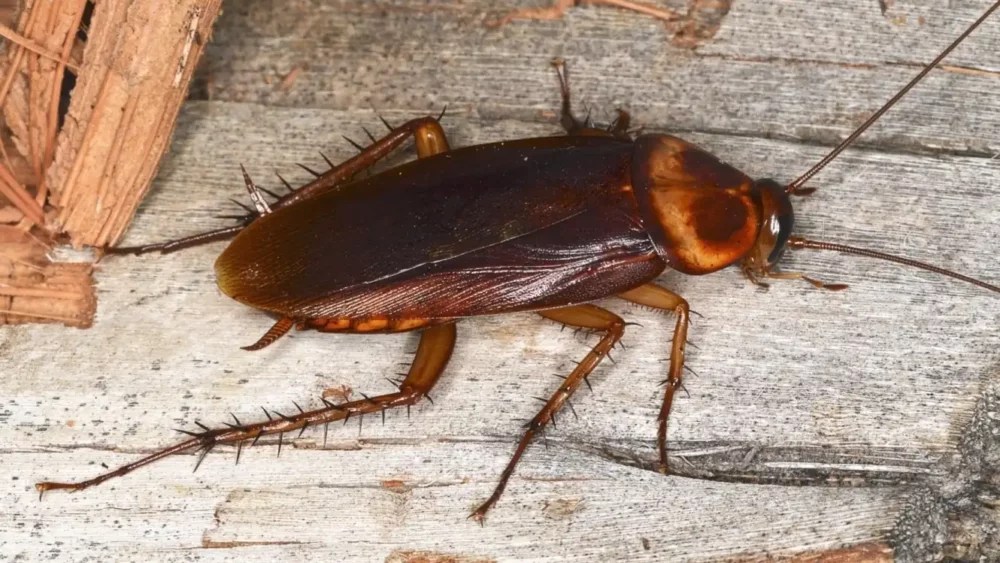
If you live in the South, you’ve likely encountered the "palmetto bug." Despite the polite nickname, these are actually American cockroaches, and they are far more than just a nuisance. If you are currently sharing your home with these resilient pests, here are seven gross facts that should convince you to call an exterminator immediately.
The Ugly Truth About Palmetto Bugs
First, they are prolific hitchhikers. Palmetto bugs often enter homes through plumbing, sewer lines, and cracks, meaning they bring the filth of the outdoors directly into your kitchen. Second, they are rapid breeders; a single female can produce thousands of offspring in her short lifespan. Third, they carry dangerous pathogens. These pests crawl through decaying matter and sewage, picking up bacteria like Salmonella and E. coli, which they then track onto your countertops and food.
- •Mastering Remote Ssh Iot Behind Router Tutorial A Comprehensive Guide
- •Insights Into The Life And Career Of Godzilla Actress
- •Did The Harmony Ether Hackers Leave A Trail Heres What We Found
- •Darla From Little Rascals Now 2023 An Insight Into Her Life And Career
- •Unveiling The Secret Behind The Blue Salt Trick For Men A Unique Insight
Fourth, they trigger allergies. Their droppings and shed skins contain proteins that can cause severe asthma attacks and allergic reactions. Fifth, they are surprisingly athletic. They can squeeze through gaps as thin as a dime and even take flight when threatened, making them nearly impossible to catch by hand. Sixth, they are cannibalistic and will consume their own dead, which makes localized DIY traps ineffective at stopping an infestation. Finally, they are experts at hiding. Because they are nocturnal and thrive in dark, humid voids, for every one you see, there are likely dozens—or hundreds—lurking inside your walls.
Trying to manage a palmetto bug infestation with off-the-shelf sprays rarely addresses the root of the problem. If you want to reclaim your home from these unwanted, disease-carrying houseguests, professional intervention is the only way to ensure they are gone for good.
Additional context and verified research data can be verified on Wikipedia's Public Archives.